Introduction
The global energy transition has driven the adoption of renewable sources and sustainable technologies in the industry. In Brazil, green hydrogen emerges as a promising solution to decarbonize industrial processes and strengthen the national energy matrix. This article explores concrete projects and real perspectives on the use of green hydrogen and renewable energies in the Brazilian industry.
Current Overview of Renewable Energies in the Brazilian Industry
In 2024, the Brazilian industry reached 64.4% of energy consumption from renewable sources, consolidating the country as a leader in the energy transition. This progress reflects significant investments in solar, wind, and biomass energy, driven by government policies and demand for sustainable practices. Source
Green Hydrogen Projects in Development
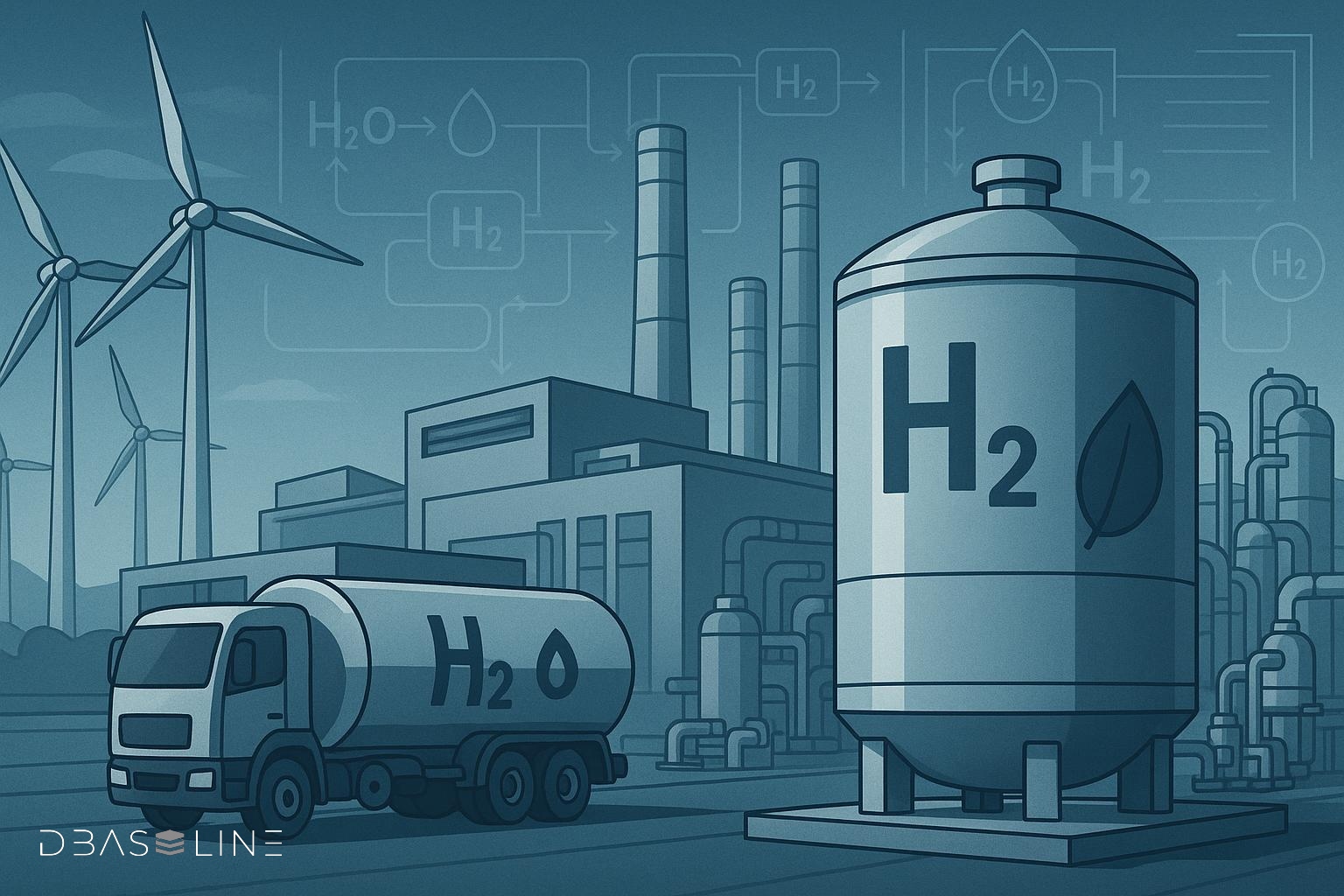
Green hydrogen, produced from water electrolysis using renewable energy, has gained prominence in Brazil. In October 2024, the National Council of Export Processing Zones (CZPE) approved the largest large-scale green hydrogen production project in the country, to be installed in the Pecém EPZ, in Ceará. With an expected investment of R$ 17.5 billion and a production capacity of 1.2 gigawatts (GW) per year, the project aligns with Brazil's decarbonization and energy transition mission. Source
Investments and Government Incentives
The Brazilian government has been encouraging research and development of technologies related to green hydrogen. In October 2025, the National Electric Energy Agency (ANEEL) approved five Research, Development, and Innovation (PDI) projects focused on the use of hydrogen, with total investments of nearly R$ 200 million. These initiatives aim to integrate green hydrogen into the electric and industrial sectors, promoting decarbonization and technological innovation. Source
Future Perspectives and Challenges
The prospects for green hydrogen in the Brazilian industry are promising, with the potential to position the country as a global leader in the production and export of this energy source. However, challenges such as the need for adequate infrastructure, production costs, and development of the domestic market still need to be overcome. Continued investments, public-private partnerships, and incentive policies will be crucial for the success of this energy transition.
Conclusion
The advancement of green hydrogen and renewable energies in the Brazilian industry represents a strategic opportunity for decarbonization and sustainable development. Ongoing projects and significant investments demonstrate Brazil's commitment to the energy transition, positioning the country as a protagonist in this global scenario.