Introduction
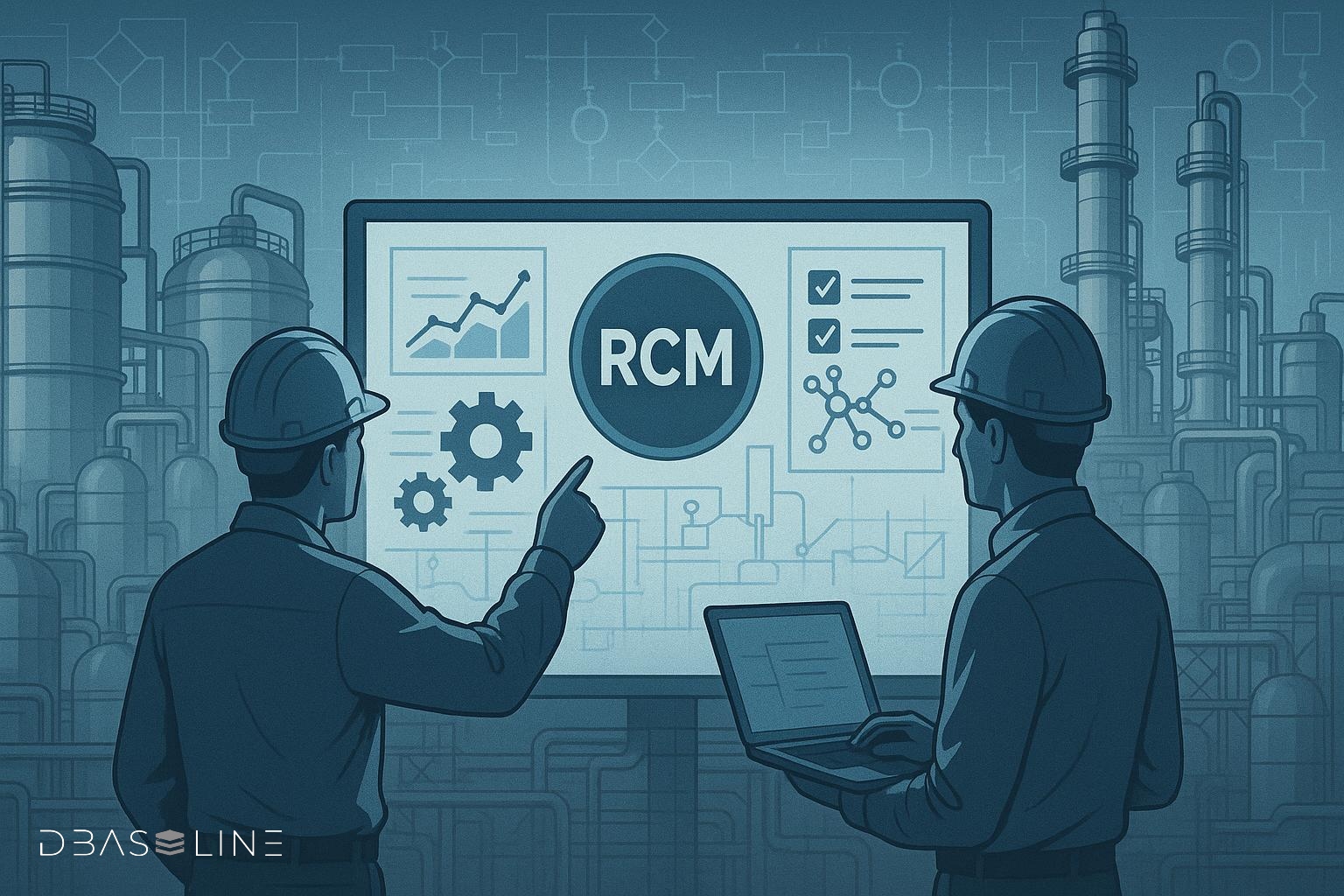
Reliability-Centered Maintenance (RCM) is a strategic approach aimed at ensuring the reliability and availability of equipment in process plants. Its practical implementation can lead to reduced operational costs, increased efficiency, and extended asset lifespan.
Fundamental Principles of RCM
RCM is based on identifying and prioritizing critical equipment functions, analyzing potential failures, and defining appropriate maintenance strategies. The main steps include:
- Identifying asset functions and performance standards.
- Analyzing failure modes and their effects.
- Determining the consequences of failures.
- Selecting appropriate maintenance tasks.
Benefits of Implementing RCM
Adopting RCM in process plants offers several benefits, such as:
- Reduction of unplanned downtime.
- Optimization of maintenance resources.
- Improvement in operational safety.
- Increase in equipment availability.
Case Study: Application of RCM in Robotic Welding Machines in the Automotive Industry
A recent study details the application of RCM in robotic welding machines of a Tier 1 supplier in the automotive industry. The implementation resulted in a significant increase in equipment reliability and operational efficiency. Specifically, there was a 20% increase in mean time between failures (MTBF) and a 15% reduction in mean time to repair (MTTR). Source
Challenges in Implementing RCM
Despite the benefits, implementing RCM can face challenges, including:
- Resistance to change by staff.
- Need for specialized training.
- Collection and analysis of accurate data.
- Integration with existing management systems.
Conclusion
The practical implementation of Reliability-Centered Maintenance in process plants is an effective strategy to improve reliability and operational efficiency. With proper planning and team commitment, the benefits outweigh the challenges, resulting in safer and more profitable operations.
Frequently Asked Questions
What is Reliability-Centered Maintenance (RCM)?
RCM is a systematic approach to identifying and implementing the most effective maintenance strategies to ensure equipment reliability and availability.
What are the main benefits of RCM?
The main benefits include reduction of unplanned downtime, optimization of maintenance resources, improvement in operational safety, and increase in equipment availability.
What challenges can arise in implementing RCM?
Common challenges include resistance to change, need for specialized training, collection and analysis of accurate data, and integration with existing management systems.