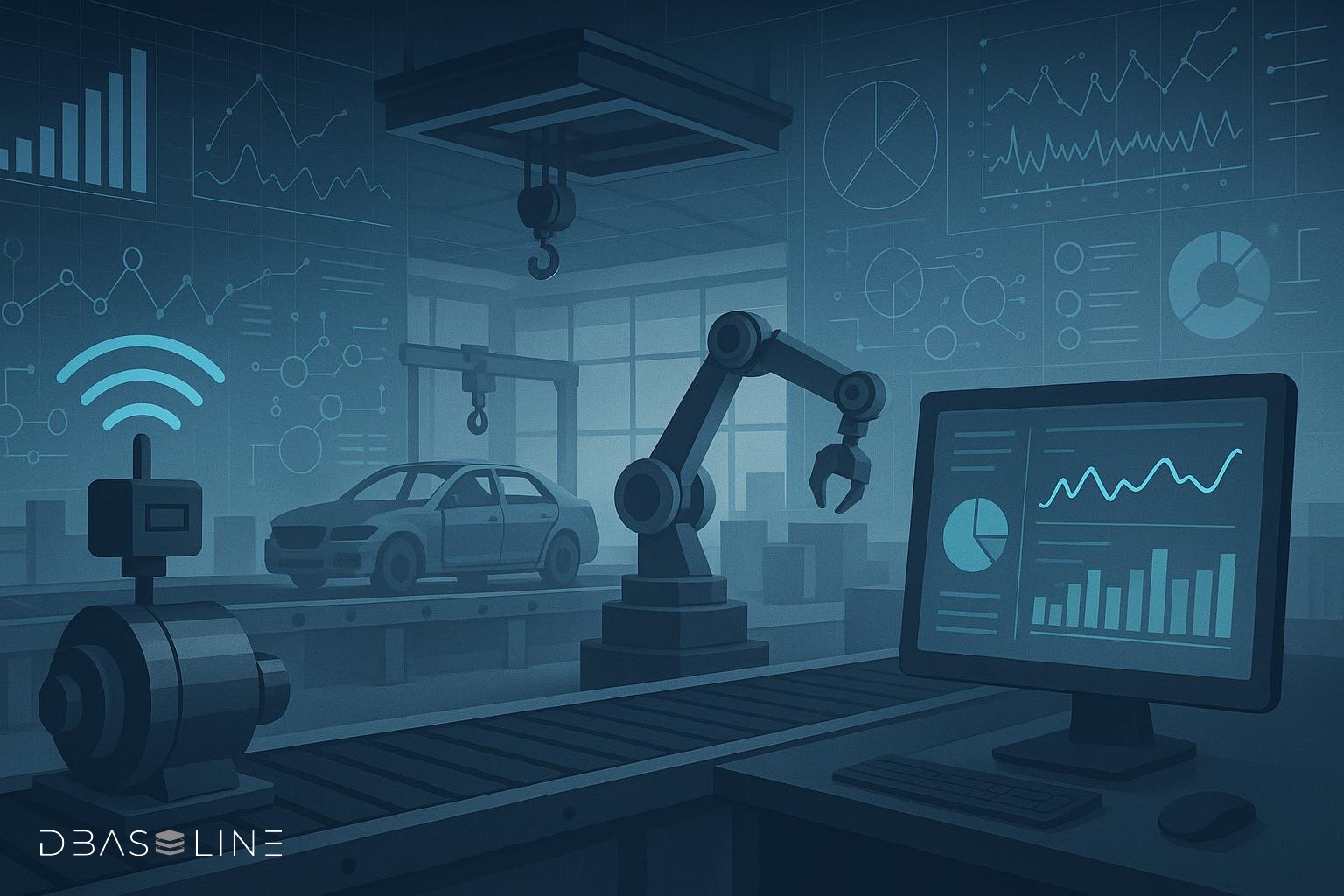
The adoption of Smart Factory and Industrial Internet of Things (IoT) technologies has revolutionized the manufacturing sector in Brazil. Companies investing in these innovations observe significant improvements in operational efficiency, cost reduction, and increased competitiveness. This article explores the practical implementation of these technologies in Brazilian plants and analyzes the return on investment (ROI) achieved.
The Concept of Smart Factory and Industrial IoT
A Smart Factory utilizes cyber-physical systems, IoT, cloud computing, and artificial intelligence to create a highly automated and interconnected production environment. In the industrial context, IoT enables communication between machines, sensors, and systems, providing real-time visibility of production processes and facilitating data-driven decision-making.
Benefits of Implementation in Brazilian Plants
The implementation of Smart Factories in Brazil has demonstrated several benefits:
- Reduction of Operational Costs: The integration of IoT sensors and data analysis systems allows for the identification and elimination of inefficiencies, resulting in significant savings. Studies indicate that companies adopting these technologies can achieve savings exceeding US$ 2 million through optimization and implementation of smart factories. Source
- Predictive Maintenance: The ability to predict equipment failures reduces unplanned downtime by up to 45%, increasing asset availability and reliability. Source
- Energy Efficiency: Real-time monitoring of energy consumption allows for adjustments that can reduce energy costs by up to 15%. Source
Success Case: Smart Factory Project in Brazil
In 2025, the National Service for Industrial Learning (SENAI) and the Funding Authority for Studies and Projects (Finep) approved 33 projects under the Smart Factory call, with a total investment of R$ 16.4 million. These projects aim to integrate technologies such as IoT, artificial intelligence, and augmented reality in Brazilian micro, small, and medium-sized industries, with the goal of optimizing productivity and quality in industrial production. Source
Challenges in Implementation
Despite the benefits, the implementation of Smart Factories faces challenges, such as:
- High Initial Investment: The cost of developing industrial IoT platforms can range from US$ 50,000 to over US$ 500,000, depending on the scale and complexity of the project. Source
- Integration with Legacy Systems: Compatibility with existing equipment and systems can consume 30% to 50% of the total project time. Source
- Workforce Training: The need for training and development of specific skills to operate and maintain new technologies.
Return on Investment (ROI)
The ROI of Smart Factory projects varies according to the scale and complexity of the implementation. Companies adopting event-driven industrial IoT architectures report an average ROI of 295% over three years. Source
Additionally, the reduction of operational costs, increased efficiency, and improvement in product quality contribute to significant financial returns, justifying the initial investment.
Conclusion
The implementation of Smart Factories and Industrial IoT in Brazilian plants represents a strategic opportunity to increase competitiveness and efficiency in the manufacturing sector. Despite initial challenges, the long-term benefits and potential for high ROI make these investments attractive for companies seeking innovation and operational excellence.